


Humidity controller
Notes for Selecting and Installing Cold Storage Humidity Control Systems
Modern cold storage systems cannot overlook humidity, as humidity directly affects product quality and equipment lifespan. Choosing the wrong device or installing it improperly can cause freezing, condensation, mold, or rapid product dehydration.
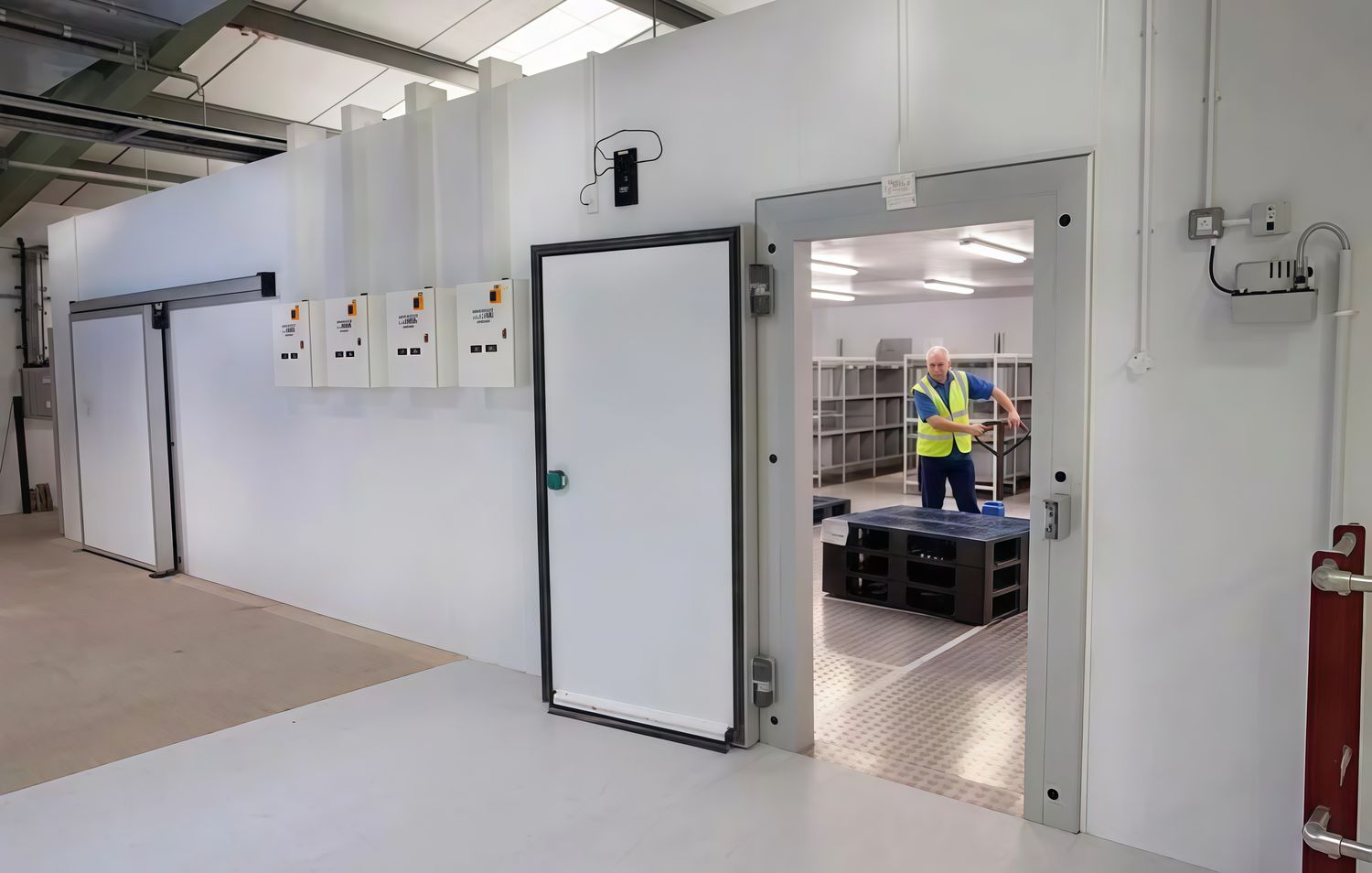
The Role of Cold Storage Humidity Control
Cold storage humidity control relies on humidity sensors, a central controller, and processing devices such as industrial dehumidifiers. The goal is to maintain humidity at an optimal level to reduce moisture loss, mold, condensation, and freezing.
In practice, most cold storage facilities focus on temperature but overlook humidity, leading to frost on evaporators and products becoming bruised, soft, or wilted. Businesses should inspect and upgrade the controller when the storage frequently forms condensation, products dry abnormally, evaporators frost quickly, electricity usage increases, or the system operates inconsistently.
Notes When Choosing Humidity Control Devices for Cold Storage
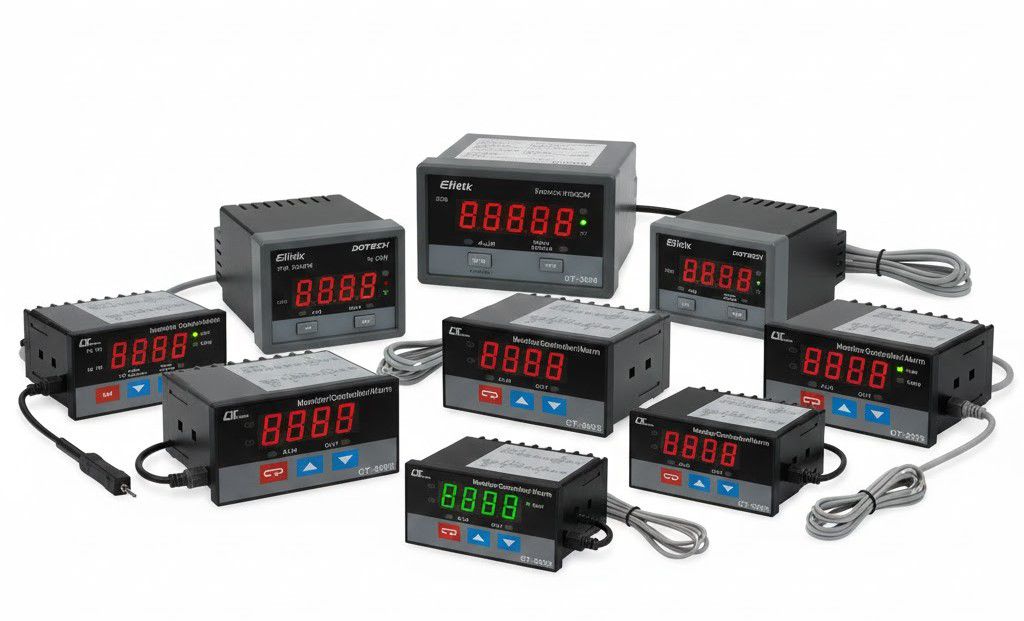
The most important requirement is selecting devices suitable for cold storage environments with low temperatures, high humidity, and condensation. Devices must be designed for moisture resistance, noise immunity, and long term stability. For example, the Elitech DHC 100 Plus offers IP54 water resistance and a measurement error of ±5 percent RH.
Cold storage humidity sensors must perform well at deep negative temperatures, have low error, and maintain stable signals. The controller must support alarm thresholds, automated outputs, and compatibility with dehumidifiers, fans, or BMS systems. For instance, the Lutron PHT 3109 supports high and low thresholds for temperature and humidity. The TENSE HT 310 can store programs and control continuously, with quick plug in connectivity to terminal devices.
Large cold storage spaces or areas with frequent entry should use industrial dehumidifiers with suitable capacity to maintain timely humidity control and avoid excessive fluctuations.
Common Errors When Installing Cold Storage Humidity Control
A common mistake is placing the sensor at improper locations, such as near evaporators, doors, or areas with strong airflow. This causes inaccurate readings and incorrect controller responses.
Another mistake is choosing a dehumidifier with insufficient capacity compared to the storage volume or frequency of door openings, causing humidity to exceed limits and form condensation.
Many systems operate unstably due to inconsistent wiring between sensors, controllers, and processing devices. Upgrading all components in a unified way improves durability, reduces downtime risks, and lowers long term costs.
Optimizing Cold Storage Humidity Control
Proper installation and correct device selection help protect goods, improve operational efficiency, save energy, and extend equipment lifespan. Investing in suitable humidity control devices combined with well designed anti freezing solutions is a key foundation for businesses operating cold storage for agricultural products, food, or pharmaceuticals.
Related articles for humidity levels in each field:
How to Check Moisture to Prevent Heating and Degradation in Straw and Hay
Why Moisture Measurement Matters in Construction and Industry
How to Check Moisture to Prevent Warping and Degradation in Paper
Wood and Building Material Moisture Meters: The Link Between Quality and Outstanding Advantages
Moisture Control Procedures for Textiles in the Garment Industry
-
-
-
-
-
-
-
-
-
-
-
-
-
-
-
-
-
-
-
-
-
-
-
-