


Polarimeter
Should You Choose an Automatic or Manual Polarimeter for Optical Rotation Measurement?
In the Pharmaceutical, Food, and Chemical industries, measuring optical rotation is an essential testing step, and the device used for this purpose is the polarimeter. Today, users often have to choose between two types: manual polarimeters and automatic polarimeters.
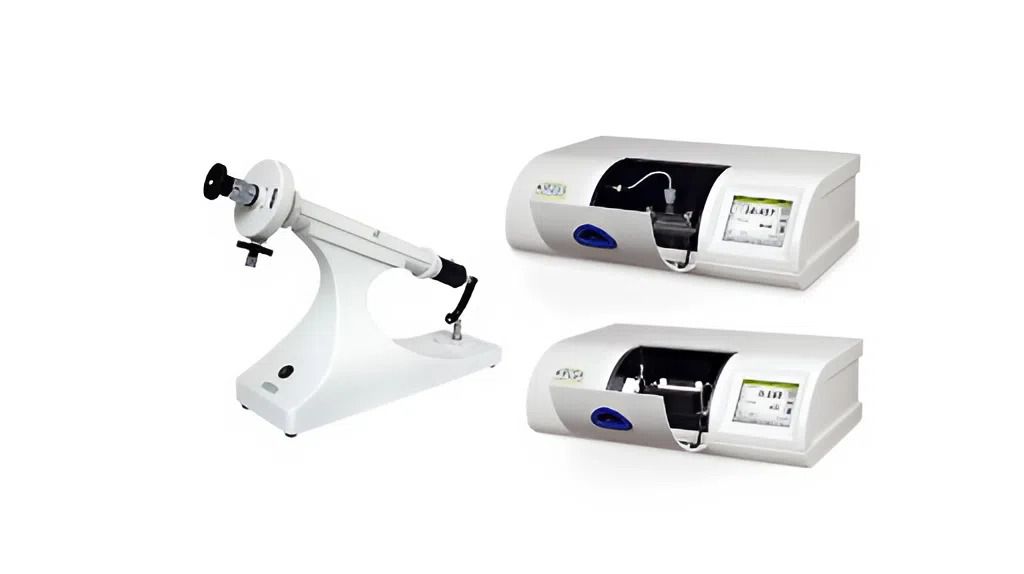
Advantages and Disadvantages of Manual Polarimeters
Manual polarimeters were invented hundreds of years ago and remain a familiar choice in small laboratories or for educational and training purposes. This device allows the operator to visually observe and align the instrument to measure optical rotation. To better understand the structure of a manual polarimeter, you can refer to the HINOTEK BT-WXG-4 Manual-Control Polarimeter.
The advantages of manual polarimeters include low initial investment cost, making them suitable for units that do not require frequent measurements. They are also easy to maintain and repair thanks to their simple design and minimal electronic components.
The biggest disadvantage of manual polarimeters is accuracy, as optical rotation results are read visually through the eyepiece, making them susceptible to subjective error, especially when multiple operators use the instrument. In addition to depending on the user, manual polarimeters are also more time-consuming because each measurement requires meticulous adjustments, which reduces work efficiency.
Furthermore, manual polarimeters have many functional limitations, such as lacking automatic temperature compensation or data output support, causing inconvenience when long-term tracking and recording of optical rotation results are needed.
Advantages and Disadvantages of Automatic Polarimeters
Automatic polarimeters use advanced electronic technology to detect the optical rotation angle via optical sensors and then display the measured optical rotation value on the screen. This is the ideal choice for laboratories requiring absolute accuracy.
Notable advantages of automatic polarimeters include:
High and stable accuracy, automated operation that eliminates human error, ensuring consistent optical rotation results that comply with GMP/GLP standards.
Superior measurement speed, taking only a few seconds to produce results, which is especially useful when processing multiple samples continuously.
Integration of many modern features such as temperature compensation, data storage, computer connectivity, and even automatic sample injection all supporting the optimization of optical rotation measurement workflows.
However, automatic polarimeters also have certain disadvantages, such as higher cost and more complex maintenance. When issues arise with electronic circuit boards or sensors, a specialized technician is required to resolve them.
There are currently many automatic polarimeter models on the market from major manufacturers with a wide range of prices. Users can choose products that fit their budget, such as the HINOTEK P810 Automatic Electronic Polarimeter or the HINOTEK SGW-537 High-Speed Automatic Polarimeter.
Should You Choose a Manual or Automatic Polarimeter?
If you need a low-cost device, use it infrequently, and your primary purpose is training, teaching, or performing optical rotation measurements that do not require absolute accuracy, then you should choose a manual or semi-automatic polarimeter.
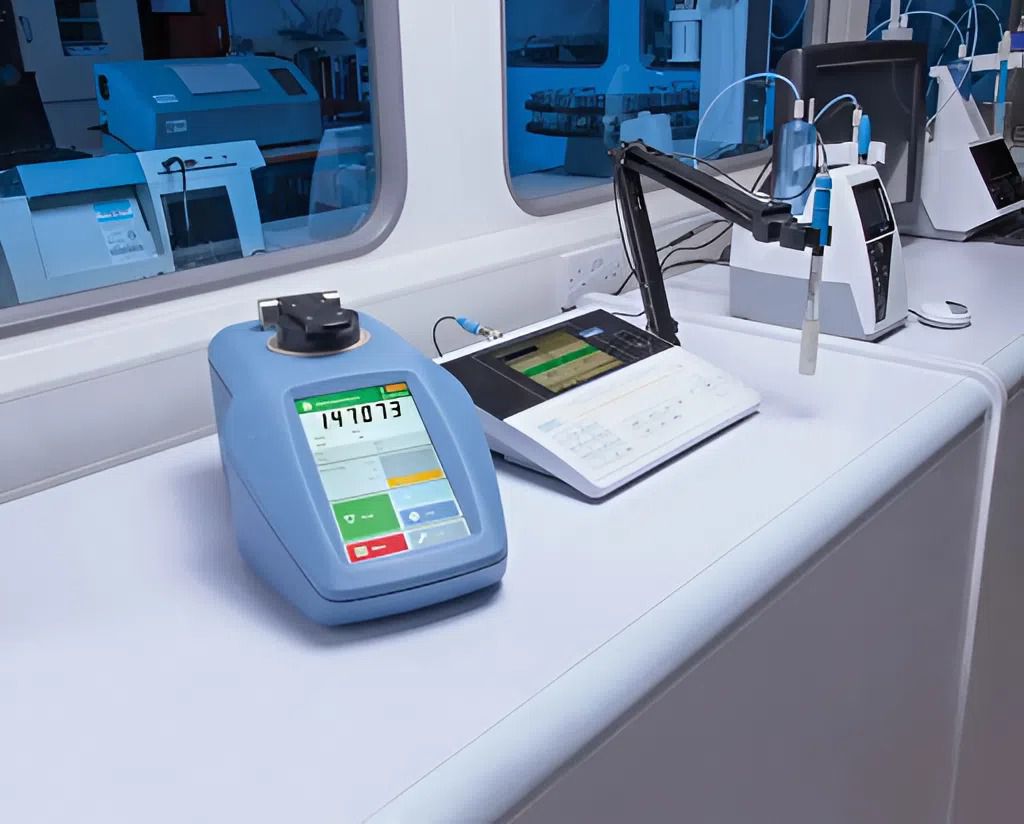
But if you want to ensure high accuracy of measurement results, need to measure large numbers of samples daily, must comply with GMP/GLP, or want to fully automate the optical rotation measurement process, then an automatic polarimeter is the option you should not overlook.
-
-
-
-
-
-
-
-
-
-
-
-
-
-
-
-
-
-
-
-
-
-
-
-